
Robotics diplomas sit beside software paths, not underneath them
Students who like both coding and machines often face a muddy choice in Malaysia: a diploma that leans into robotics and automation, a software engineering track, or a foundation year that delays the specialisation. The labels sound adjacent. The weekly timetable is not.
A diploma outline for robotics and automation studies usually mixes programming with sensors, actuators, control ideas and workshop time. That is different from a curriculum that spends most contact hours on software design, databases and application projects.
Neither path is “more advanced” in the abstract. They prepare for different first jobs and different kinds of frustration on campus.
What robotics weeks actually feel like
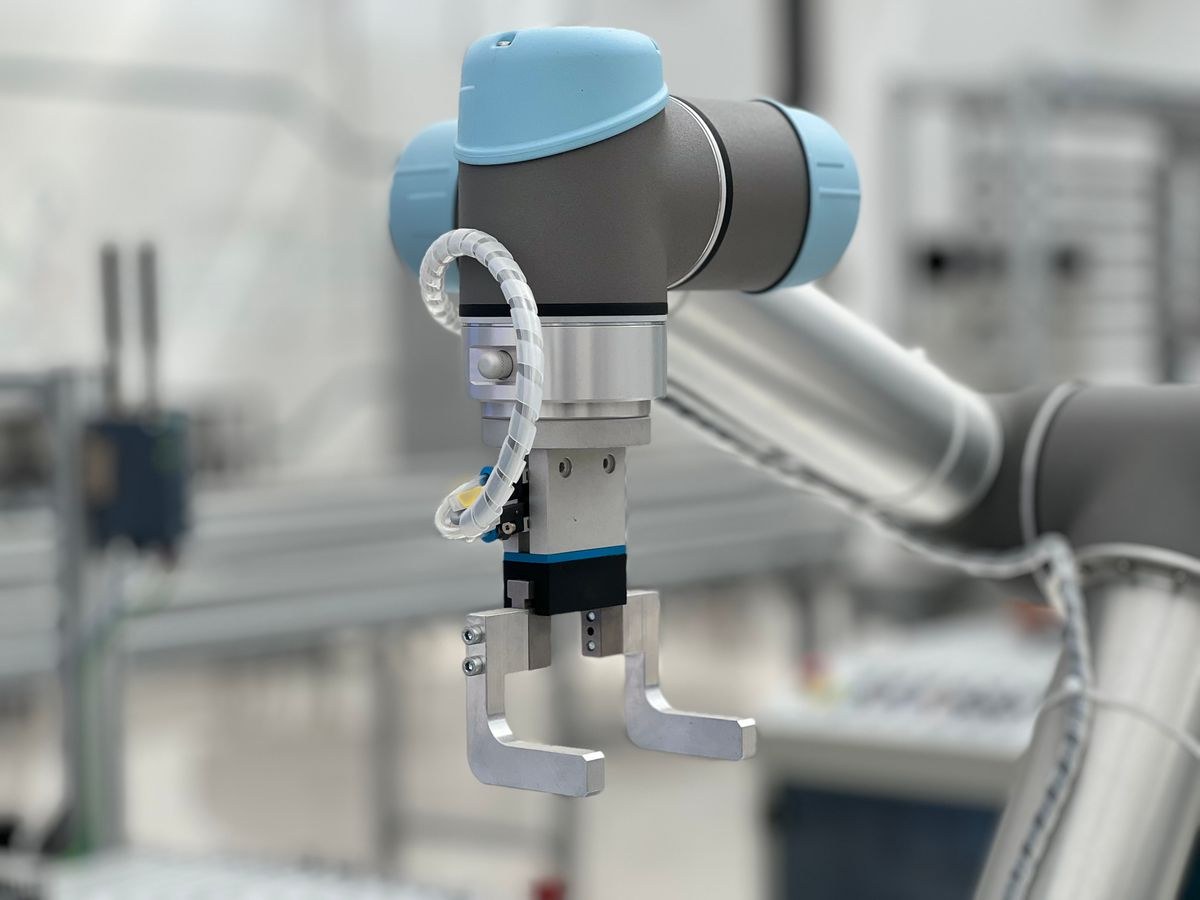
Expect labs where code moves something physical: a motor that overshoots, a sensor that lies under glare, a safety interlock you forgot. Debugging includes screwdrivers as well as print statements. Group projects often look like small factory cells or competition robots rather than pure web apps.
Industry context helps. Investment and industrial agencies such as MIDA regularly highlight automation and advanced manufacturing themes in Malaysia’s investment story. Labour and production statistics from DOSM also show how factories and services absorb technical graduates differently across states. Those trends do not pick your diploma for you, but they explain why automation modules keep appearing in brochures.
A short orientation to how robotics and automation show up across industries.
Software engineering diplomas train a different muscle
By contrast, a code-focused diploma track outline typically drills deeper into application architecture, testing habits and collaborative codebases. You still solve problems, yet the “machine” is often a server, a mobile client or a data pipeline. Students who dislike workshop grease but love logical systems sometimes thrive here.
Ask each programme how much team version control they use, what languages dominate year one, and whether industrial training partners look like factories, banks or product studios. Graduate stories beat brochure adjectives.

Foundation years buy time if the choice is still foggy
Some applicants are not ready to lock a specialisation. Foundation-style computing and engineering entry routes exist for that fog. Programme names on the website do not always match every brochure label, so read the on-page title, duration and module list carefully before you shortlist.
Use this information technology diploma outline as a document to compare entry requirements, duration and module lists with the robotics and software diplomas. Cross-check names with the campus counsellor so you do not apply to the wrong intake code.
Independent education directories such as Study Malaysia can help you compare programme types across institutions, though you should still verify fees and accreditation details on official university pages.
Accreditation and pathway talk should be concrete. Ask which bodies recognise the diploma, what credit transfer looks like into a related degree, and which English or maths prerequisites still apply if you studied a different stream in SPM. Vague assurances about “easy progression” need a written map.
Cost is not only tuition. Budget for tools, transport to industrial training sites, and the laptop specifications lecturers actually expect. A cheap machine that cannot run required software becomes a silent academic penalty.
Talk to at least one senior student from each track if you can. Ask what surprised them in semester one, which modules felt heavier than the brochure suggested, and whether industrial training matched their interests. Those answers age better than polished open-day speeches.
A decision sheet for this week
List three tasks you enjoy: wiring something, debugging logic, explaining systems to people. Visit a lab if open days allow. Compare timetables side by side. Robotics and software both build technical careers in Malaysia; they simply spend your Tuesday afternoons differently, and that difference is worth choosing on purpose.